
Repairing a Fence Post
This technique is good if you want to repair a fence and just one or two of your fence posts are rotten and need replacing. You can fix just these posts and get more life out of your fence by reusing the concrete plugs.
However, critical to this undertaking is that the all the wood that is connected to the post you are replacing is not decayed, and you must be able to very carefully remove the nails and reuse the nail holes (with screws) in every connecting piece. Also, don't cut the post until it is seated because of the unknown depth of the hole in the concrete plug! After this procedure is done, you will cut the post then reattach everything all at once.
Below are some pictures showing the reuse of wood; on the first one look up in the right top of the picture. It shows an old piece of wood connecting to new wood. This technique is only possible if the wood you are reusing is very intact. If not, you'll have to keep replacing things until it is. (It is possible of course that your fence is too far gone and just needs replacing!
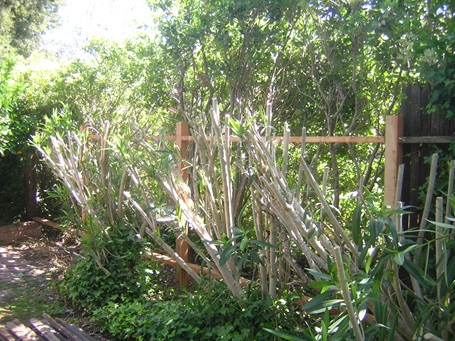
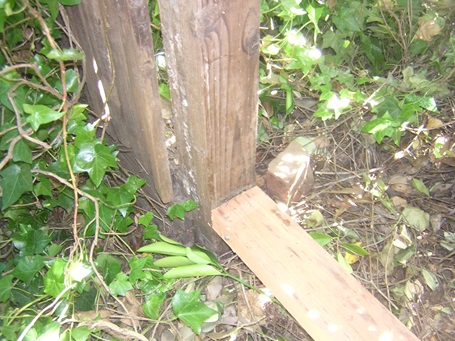
When fixing fences, reusing your old concrete plugs is much easier than pulling out the old concrete plugs and trying to pour a new ones (which are in too big of a hole now because of what it takes to dig out the old ones). The good news is that the fence posts end up in the exact right place to reattach your existing sections of fence.

To reuse a concrete plug, the plug must be strong and intact, as well as secure in the ground. First measure the hole to determine if a modern redwood 4x4 will fit inside (3.5x3.5, or you can have a post milled to the exact size if it is an odd shape, or old style rough cut lumber as in the example below).
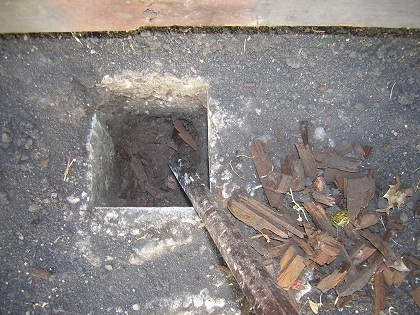
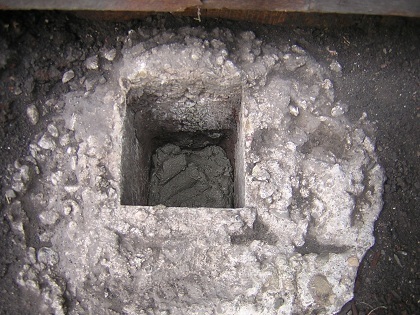
First remove the rotten fence post and dig out the rotten wood lining the square hole in the concrete plug. A crowbar and your gloved fingers works the best for this.
Dig down as far as you can till you hit concrete or very packed dirt:
Imagine Enjoying ad free reading, as well as exclusive insights from a Handyman with over 20 years experience fixing people's homes.
(If any problems with this transaction please email me at dave@diyhomerepair.info)
Or check out these other carpentry articles by me for free
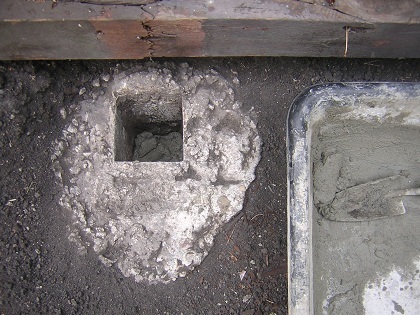
Clean off the top of the concrete plug with a stiff brush so the morter will stick well. Then mix a little morter and put it down in the whole, enough to make a concrete seal against moisture when the fence post is lowered in:
Lower the entire 8 foot 4X4 into the hole (you will cut it to size after it is set). Sometimes the post is very tight in the hole. In this case, stand on a step ladder and pound with a sledge hammer untill it is seated. These holes and posts in most cases will be very similar in size. You could always belt sand a little if the post is too tight. It doesn't matter if the post is slightly smaller than the hole because we are going to shim it.
Use redwood shim hammered into the edges of the hole and the post along with a level to insure that it ends up plumb (can of course only be as plum as it was originally, but this is good enough for most repair situations):
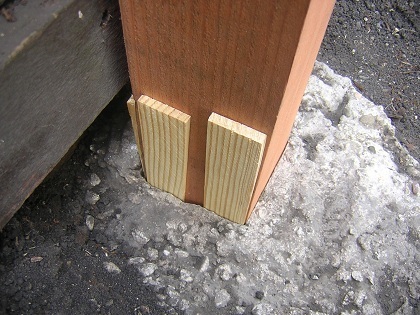
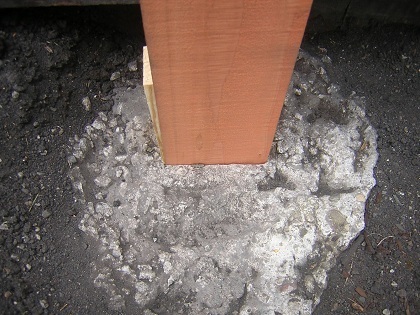
When the post is plum and tightly shimmed, break off the shim right at the base of the post:
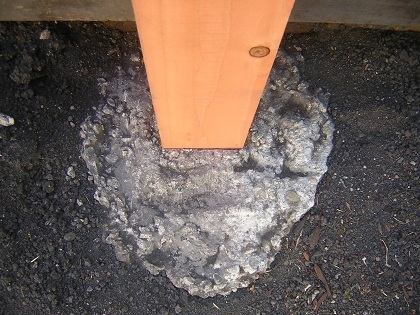
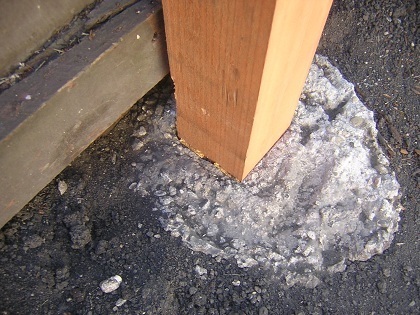
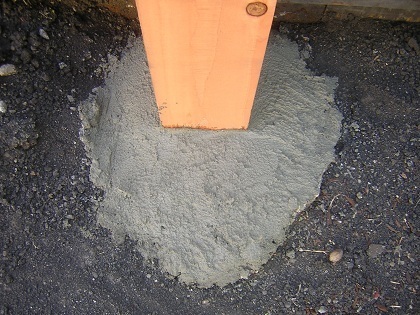
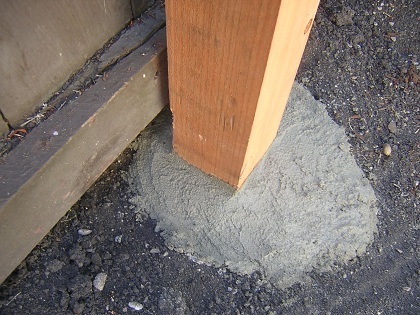
Now morter over the top of the plug and around the post and make sure there is a tight seal around the wood. Also, it is best to have the morter higher up against the post then around the rest of the plug so that rain runs off and doesn't sit next to the wood.
If the top of the concrete plug is very smooth, consider using a coat of concrete adhesive over the plug before you remorter over the top:
Save some time and energy on your home repair by getting your hardware supplies online at Amazon!
I can recommend these products. Thank You! Dave.
Nelson Wood Shims, 8-Inch DIY Shims, 24-Pack
